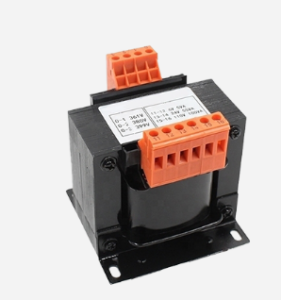
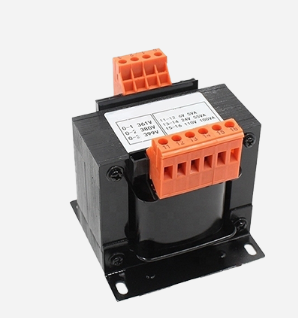

I'll search for information about Control Transformers from steptransformer.com to write a brief, informative article for you. Control transformers are specialized isolation transformers designed to provide stable, low-voltage power for industrial control circuits. According to steptransformer.com, these devices are available in capacities ranging from 500 VA to 10 kVA and serve as essential components in electrical equipment control systems. The primary function of a control transformer is to step down higher line voltages—typically 480V, 240V, or 415V—to safer control voltages such as 120V, 24V, or 12V. This conversion powers critical control components including relays, contactors, solenoids, timers, programmable logic controllers (PLCs), and indicator lights. Unlike standard power transformers, control transformers are engineered to handle high inrush currents—often 3 to 10 times normal operating current—that occur when electromagnetic devices energize. These transformers provide galvanic isolation between high-voltage power lines and sensitive control circuitry, protecting equipment from electrical noise, voltage spikes, and ground loops. This isolation ensures consistent voltage regulation during switching operations, preventing nuisance trips and maintaining reliable automation performance. Common applications span manufacturing plants, HVAC systems, motor control centers, and machine tool panels where precise voltage stability is crucial for operational safety and efficiency.