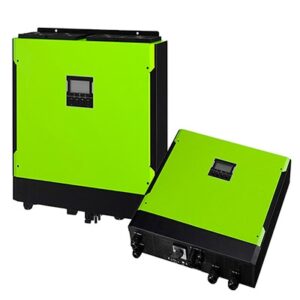


A hybrid solar inverter is a sophisticated device that combines the functionality of a solar inverter, battery inverter, and charge controller into a single unit, serving as the intelligent core of modern hybrid solar power systems. Unlike traditional inverters that only convert DC power from solar panels to AC power for immediate use or grid export, hybrid inverters manage energy flow across multiple sources—solar panels, battery storage, and the utility grid—enabling seamless switching between on-grid and off-grid operation modes automatically. These inverters typically feature Maximum Power Point Tracking (MPPT) technology to ensure solar panels operate at peak efficiency regardless of sunlight variations, with conversion efficiencies reaching up to 93% in high-quality models. Available in power ratings ranging from 3kW suitable for residential applications to 10kW for commercial and industrial use, hybrid inverters accept DC input voltages varying from 250V to 900V depending on the model, and output pure sine wave AC power at standard frequencies of 50Hz or 60Hz. Most units incorporate LCD displays for real-time monitoring of system parameters and support wide MPPT voltage ranges to accommodate different solar array configurations. By integrating energy storage capabilities with grid connectivity, hybrid solar inverters enable users to maximize self-consumption of solar energy, provide backup power during grid outages, and participate in smart grid functionalities like peak shaving and valley filling, ultimately enhancing system reliability while reducing electricity costs. When selecting a hybrid inverter, considerations include matching the unit's capacity to total power consumption and peak demand, ensuring voltage compatibility with existing solar panels and battery banks, and choosing appropriate hybrid functionality types that align with specific energy independence goals and grid interaction preferences.