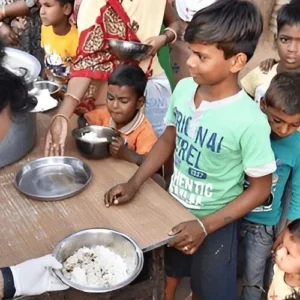
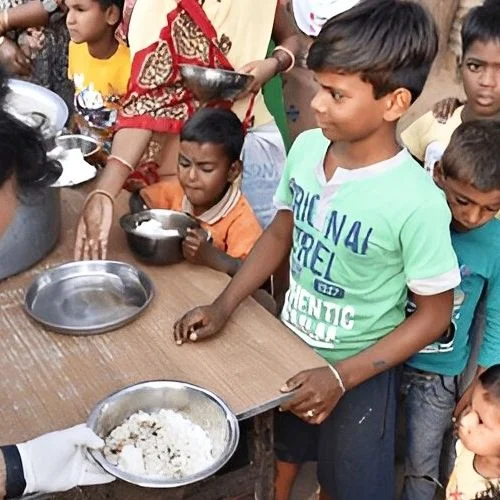

donate food online Hunger is not only the absence of food; rather, it is the absence of security, dignity, and hope. Across India, thousands of children living in orphanages depend on kind-hearted individuals and organizations for their daily meals. Through orphanage food donation, lives are not only sustained but also transformed. When nutritious food is shared, smiles are restored, health is protected, and futures are strengthened. Therefore, choosing to donate food is one of the most meaningful ways to give back to society. Why Orphanage Food Donation Matters Children in orphanages require balanced meals to grow physically and mentally. However, limited resources often make this difficult. As a result, many orphanages rely on external support. Through food donation, this gap is filled. Moreover, regular donations ensure that children are not forced to skip meals or survive on minimal nutrition. Additionally, food donation promotes emotional well-being. When children are fed with care, they feel valued and remembered. Consequently, confidence is built, and trust in humanity is restored. In this way, your contribution becomes more than a meal; it becomes a message of compassion. The Role of an NGO for Food Donation A reliable ngo for food donation acts as a bridge between donors and those in need. These organizations ensure that donated food reaches the right place, at the right time, and in the right condition. Furthermore, NGOs maintain transparency, accountability, and hygiene standards, which are essential when serving vulnerable children. Shrimati Anita Devi Foundation works tirelessly to support orphanages by arranging timely food donations. Through structured programs, meals are prepared or collected and then distributed with care. As a result, donors can contribute with confidence, knowing their support is being used responsibly. Benefits of Donating Food to Orphanages There are several benefits associated with food donation, both for the receiver and the giver. First, hunger is reduced, and nutrition levels are improved. Second, food wastage is minimized, which supports environmental sustainability. Third, donors experience emotional satisfaction, knowing their actions have a direct impact. Moreover, when communities participate together, social responsibility is strengthened. Over time, a culture of giving is developed. Consequently, society becomes more inclusive and compassionate. Therefore, food donation should not be seen as a one-time act, but rather as a continuous commitment. Finding an Orphanage Near Me to Donate Food Many people often search for an orphanage near me to donate food, but they are unsure where to start. Fortunately, trusted NGOs simplify this process. They collaborate with verified orphanages and coordinate donations efficiently. As a result, your food reaches children who truly need it. If you are looking for a simple and trustworthy way to contribute, you can support food donation initiatives through this trusted platform: 👉 orphanage food donation Through this page, donations are accepted and managed with transparency. Additionally, donors are guided throughout the process, which makes participation easy and meaningful. What Types of Food Can Be Donated? Generally, freshly cooked meals, dry ration kits, fruits, vegetables, and packaged food items are accepted. However, quality and hygiene are always prioritized. Food must be fresh, nutritious, and safely packed. Therefore, coordination with the NGO before donating is recommended. In many cases, meals are prepared under supervision and then delivered directly to orphanages. This process ensures safety standards are met. Consequently, children receive healthy food that supports their overall development. Active Participation Creates Stronger Impact Food donation can be done individually or collectively. For instance, birthdays, anniversaries, or corporate events can be celebrated by feeding orphaned children. When groups come together, the impact is multiplied. Moreover, regular donors help maintain consistency in meal programs. Although donations are given by individuals, they are often managed by organizations. Hence, the effort is shared, and responsibility is balanced. Through teamwork, greater change is achieved. Transparency and Trust in Food Donation Trust plays a crucial role in charitable activities. Therefore, it is essential to donate through organizations that provide clear information and regular updates. Shrimati Anita Devi Foundation ensures that donors are informed about how and where their contributions are used. As a result, long-term relationships are built between donors and the cause. Food is distributed after careful planning, and records are maintained. Thus, accountability is ensured at every step. When transparency is practiced, confidence grows, and more people are encouraged to participate. Creating a Hunger-Free Tomorrow Ending hunger may seem like a large goal, but every small step counts. When one child is fed, hope is created. When many children are fed, a future is secured. Therefore, food donation should be embraced as a shared responsibility. By supporting an orphanage through food donation, you are not only filling plates but also filling hearts. Ultimately, kindness becomes nourishment, and compassion becomes strength. Conclusion Food donation is a powerful act of humanity. Through orphanage food donation, children receive nourishment, care, and hope. With the support of a trusted ngo for food donation, your contribution reaches the right hands. If you are searching for an orphanage near me to donate food, reliable platforms make the journey simple and impactful.